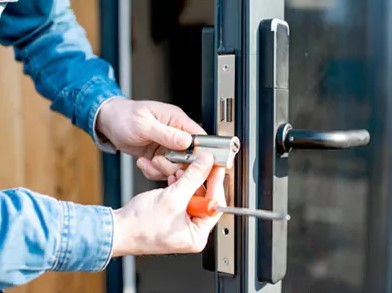
It was 7:00 AM on a Tuesday morning when I got an urgent call from a residential facility manager I’d mentored for years. A heavy storage cabinet in a shared breakroom had spilled open overnight, dumping heavy cleaning solvents onto the floor and ruining thousands of dollars in hardwood subflooring.
When I arrived on site, the issue was immediately obvious. They were relying on basic magnetic catches designed for lightweight kitchen doors rather than purpose-built retention hardware. It was a classic, costly oversight: treating structural facility security like a minor cosmetic detail.
Whether you are managing a busy household with curious toddlers or overseeing a commercial workshop, securing your storage is fundamental to safety. Integrating heavy-duty cabinet safety locks turns vulnerable storage units into secure, child-proof, and hazard-resistant zones before an expensive accident occurs.
The Hidden Vulnerabilities of Standard Millwork
Most stock cabinets installed in modern homes and commercial spaces are built for convenience, not impact resistance or hazard containment. Standard hinges and spring catches are designed to hold a door shut against light drafts—not to withstand intentional pulling, seismic vibration, or heavy internal shifting.
Installing specialized cabinet safety locks establishes a mechanical barrier that mitigates liability and prevents accidental access to hazardous materials like chemicals, power tools, and breakable glassware.
+-----------------------------------------------------------------------+
|                    LOCK MECHANISM COMPARISON MATRIX                   |
+--------------------------+---------------------+----------------------+
| Mechanism Type           | Retention Force     | Installation Ease    |
+--------------------------+---------------------+----------------------+
| Standard Spring Latch    | Low (5 - 10 lbs)    | Very Easy (Surface)  |
| Magnetic Keyed Locks     | Medium (25 - 40 lbs)| Moderate (Internal)  |
| Adhesive Strap Locks     | Medium (20 - 35 lbs)| Ultra-Easy (No Drill)|
| Cam / Cylinder Locks     | High (75+ lbs)      | Advanced (Bored Hole)|
+--------------------------+---------------------+----------------------+
Think of standard cabinet catches like holding a door shut with a strip of masking tape. Under steady pressure or sudden impact, that tape gives way instantly; a properly engineered safety lock acts like a steel deadbolt, distributing force directly across the solid cabinet carcass.
Selecting the Right Lock Mechanism for Your Space
Navigating the hardware aisle can feel overwhelming given the sheer variety of options on the market. Choosing the right lock depends entirely on your target user base, aesthetic preferences, and necessary holding strength.
1. Magnetic Latch Systems (Concealed Protection)
Magnetic locks mount completely inside the cabinet door, keeping the exterior facade clean and hardware-free. A powerful magnetic “key” held against the outside face releases the internal catch instantly.
-
Best For: Modern kitchens, residential child-proofing, and high-end cabinetry where aesthetic minimalism is non-negotiable.
-
Key Advantage: Completely invisible from the outside, eliminating pry points for curious hands.
2. Internal Sliding Latch / Hook Locks
These mechanical latches allow the door to open about an inch before catching on a plastic or metal hook. To disengage, you reach into the gap and press down on the lever arm.
-
Best For: Low-budget DIY retrofits and everyday kitchen safety.
-
Key Advantage: Highly durable with no external keys to lose or misplace.
3. Cam Locks and Keyed Cylinders
For workshop storage, medical supply cabinets, or utility rooms containing toxic chemicals, mechanical cam locks are essential. These require drilling a hole through the door face to insert a steel barrel and rotatable latch arm.
-
Best For: Hazardous chemical storage, tool cabinets, and office facilities.
-
Key Advantage: Maximum mechanical shear strength and absolute access restriction.
Step-by-Step Installation Blueprint
Installing cabinet safety locks cleanly without damaging your cabinetry face requires a structured approach. Follow this step-by-step workflow to achieve rock-solid alignment.
       [ STEP 1 ]             [ STEP 2 ]             [ STEP 3 ]             [ STEP 4 ]
+----------------------+   +--------------+   +----------------------+   +----------------------+
| Substrate Prep &     |-->| Jig Placement|-->| Mechanical Anchor    |-->| Engagement Testing   |
| Surface Degreasing   |   | & Drilling   |   | & Torque Securing    |  | & Depth Tuning       |
+----------------------+   +--------------+   +----------------------+   +----------------------+
Step 1: Substrate Preparation
Whether you choose drill-in hardware or heavy-duty VHB (Very High Bond) adhesive straps, clean the mounting area thoroughly. Use a 50/50 isopropyl alcohol and water mixture to strip away grease, dust, and wood polish.
Step 2: Marking and Template Alignment
Most commercial safety locks include a plastic positioning template or installation jig. Align the catch template along the inside cabinet frame, ensuring a 1/16-inch setback gap so the door closes flush without binding.
Step 3: Drilling and Anchoring
When installing internal mechanical or magnetic locks into solid wood or MDF:
-
Use a brad-point drill bit to prevent wood splinters on cabinet faces.
-
Set a mechanical drill stop collar to avoid drilling completely through the front of your cabinet door.
-
Drive pilot screws carefully by hand or with a low-torque clutch setting to avoid stripping out soft particleboard cores.
Step 4: Testing Engagement Depth
Close the door gently to verify that the latch arm catches smoothly without requiring excessive slamming. Adjust the catch plate forward or backward slightly to eliminate front-to-back rattle when locked.
Expert Advice: Pro Tips and Hidden Pitfalls
In my ten years of retrofitting residential and commercial spaces, I’ve seen small installation mistakes ruin expensive cabinet doors or compromise safety altogether.
Hidden Warning: Never rely solely on adhesive-backed locks on raw, unsealed particleboard or peeling paint! Thermal changes and high humidity in kitchens and bathrooms cause adhesive pads to delaminate over time, causing the lock to fail when yanked.
Keep these expert operational principles in mind:
-
Account for Reveal Tolerances: Frameless European-style cabinets have tight clearance gaps (often under 2mm). Verify that internal lock hardware won’t collide with adjustable shelving tracks.
-
Keep Spare Magnetic Keys Accessible: If you install concealed magnetic locks, store your magnetic keys high up on a metal surface like the side of the refrigerator—far out of reach of children, but easily accessible to adults.
-
Upgrading Fasteners: Throw away soft aluminum screws included in cheap retail lock kits. Replace them with stainless steel or hardened zinc-plated wood screws to prevent shear failure under force.
Troubleshooting Common Installation Issues
If your cabinet safety hardware isn’t catching cleanly or feels loose, consult this quick reference table to diagnose and resolve the issue quickly.
+---------------------------------------------------------------------------------+
|                        HARDWARE TROUBLESHOOTING GUIDE                          |
+----------------------+--------------------------+-------------------------------+
| Symptom Observed     | Underlying Cause         | Recommended Fix               |
+----------------------+--------------------------+-------------------------------+
| Door Rattles Open    | Catch Set Too Far Back   | Move catch forward 1-2 mm     |
| Latch Fails to Catch | Misaligned Frame & Door  | Shim the catch plate lower    |
| Magnetic Key Fails   | Door Panel Too Thick     | Recess latch into inner face  |
| Screws Strip Out     | Weak Substrate / Over-Torque Use thread insert / wood plug|
+----------------------+--------------------------+-------------------------------+
When mounting locks on thick solid-wood doors (over 3/4 inch), standard magnetic keys may struggle to activate internal releases. In these cases, use an adjustable router jig to mill out a shallow 1/8-inch recess on the inside door face to shorten the distance between the key and internal receiver.
Securing Your Facilities for the Long Haul
Proactive risk mitigation is always significantly cheaper than repairing property damage or dealing with preventable accidents. Installing high-quality cabinet safety locks is one of the most effective, low-cost upgrades you can make to safeguard your home, workshop, or commercial facility.
Are you upgrading your kitchen cabinets for child safety, or organizing a workshop space this weekend? Leave a comment below with your current project setup or questions—I’d love to help you choose the ideal safety hardware for your space!
