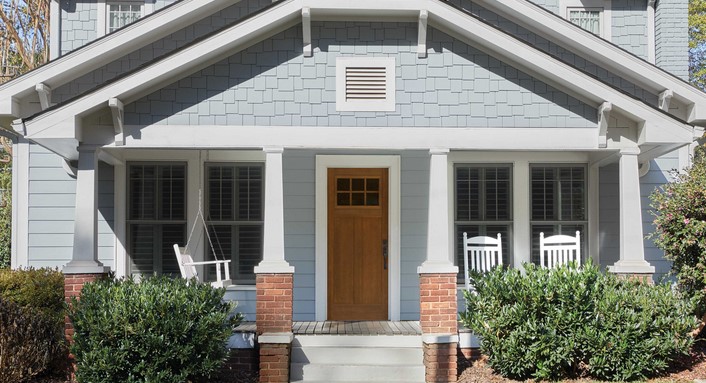
When it comes to maintaining a comfortable and energy-efficient home, many homeowners focus on insulation, HVAC systems, and windows. However, one often overlooked component of energy efficiency is the exterior door. Energy-efficient exterior doors play a crucial role in regulating indoor temperatures, reducing energy consumption, and enhancing the overall comfort of your living spaces. These doors not only provide security and curb appeal but also help keep your heating and cooling costs in check.
Upgrading to energy-efficient exterior doors can be one of the best home improvements you can make. They can reduce drafts, prevent heat loss in the winter, and keep cool air in during the summer. In this article, we will explore the importance of energy-efficient exterior doors, the key features to look for when shopping for them, and the long-term benefits of investing in these essential home components.
1. Why Choose Energy-Efficient Exterior Doors?
Many homeowners overlook the impact that exterior doors can have on energy efficiency. However, these doors are constantly exposed to the elements and can contribute significantly to heat loss or gain. Traditional doors, especially those that are older or poorly insulated, often have gaps, cracks, or are made from materials that don’t offer much in the way of insulation. This can lead to uncomfortable indoor temperatures and increased energy bills. Here’s why investing in energy-efficient exterior doors is essential for your home:
a. Improved Insulation
One of the main benefits of energy-efficient doors is the superior insulation they provide. High-quality exterior doors are designed with insulating materials that reduce heat transfer. Materials like fiberglass, steel, or solid wood are excellent at keeping warm air inside during the winter and blocking heat from entering during the summer. This helps maintain a consistent indoor temperature, reducing the workload on your HVAC system.
b. Reduced Energy Bills
By minimizing heat transfer and preventing drafts, energy-efficient doors can significantly reduce your heating and cooling costs. When your door has a strong thermal barrier, your furnace or air conditioner doesn’t have to work as hard to maintain a comfortable temperature, ultimately saving you money on energy bills.
c. Enhanced Comfort
Drafts from poorly insulated doors can make a room feel uncomfortable, especially during extreme weather conditions. A well-insulated, energy-efficient exterior door helps create a more comfortable living environment by maintaining a stable indoor temperature. This is especially important for rooms near exterior doors, such as entryways or living rooms.
d. Eco-Friendly Benefits
Energy-efficient exterior doors help reduce your home’s overall energy consumption. By keeping your home’s internal temperature regulated, these doors contribute to less reliance on heating and cooling systems, which reduces your carbon footprint. Over time, this can have a positive impact on the environment by decreasing the amount of energy used to maintain comfortable indoor conditions.
2. Key Features to Look for in Energy-Efficient Exterior Doors
When selecting energy-efficient exterior doors, there are several key features to consider. These features ensure that the door provides the maximum insulation, durability, and performance while meeting your aesthetic and functional needs. Here are some important factors to look for:
a. Materials for Insulation
The material of the door is one of the most important factors in its energy efficiency. Different materials offer different levels of insulation, so it’s important to choose one that suits your climate and needs:
- Fiberglass: Fiberglass doors are highly energy-efficient because they offer excellent insulation and are resistant to warping, cracking, or expanding. They are also available in a variety of styles and can mimic the look of wood, providing both performance and aesthetic appeal.
- Steel: Steel doors are another popular option for energy efficiency. They are often filled with insulating foam, which helps reduce heat transfer. While they are durable and secure, they can also be prone to dents and scratches, so choosing a high-quality steel door with a protective coating is essential.
- Wood: Solid wood doors are naturally insulating, providing a great thermal barrier. However, wood can expand and contract with changes in temperature, so it’s important to select high-quality, well-sealed wood doors for optimal performance.
- Composite Materials: Composite doors combine multiple materials, such as wood and plastic, to create a strong, energy-efficient product. These doors are durable and offer excellent insulation without the maintenance requirements of solid wood.
b. Weatherstripping and Seals
Even the best door materials can still allow air to leak in if the door isn’t properly sealed. Look for doors with high-quality weatherstripping and seals around the edges. These features prevent drafts and ensure that your door closes tightly, keeping the elements out and the indoor climate controlled. Consider using doors with adjustable seals or multi-point locking systems, as these can provide better performance over time.
c. Energy Star Certification
One way to guarantee that your exterior door meets high standards of energy efficiency is to look for the Energy Star certification. Energy Star is a government-backed program that helps consumers identify products that meet specific energy efficiency criteria. Doors that carry this certification have been tested and proven to save energy, which can help you make a more informed purchase decision.
d. Low-E Glass
If your exterior door has windows, consider doors that come with Low-E (low emissivity) glass. This type of glass has a special coating that reflects heat, preventing it from transferring through the glass. Low-E glass helps keep your home cooler in the summer and warmer in the winter, adding an extra layer of energy efficiency to your door.
e. Thermal Breaks
A thermal break is an insulating material used within the door’s frame to reduce heat transfer. Doors with thermal breaks help prevent the passage of heat between the interior and exterior of your home, improving the overall energy efficiency of the door. Many modern energy-efficient doors come with this feature built-in.
3. The Benefits of Upgrading to Energy-Efficient Exterior Doors
Upgrading to energy-efficient exterior doors is an investment that pays off in numerous ways. Whether you’re looking to save on energy costs, improve home comfort, or increase the value of your home, here are the key benefits of installing these doors:
a. Cost Savings Over Time
Though energy-efficient exterior doors may have a higher upfront cost, the savings on your monthly utility bills can quickly offset the investment. Over the life of the door, the reduction in energy consumption can save you hundreds—or even thousands—of dollars.
b. Increased Home Value
Homebuyers are increasingly looking for energy-efficient features when shopping for a home. By upgrading your exterior doors to energy-efficient models, you can enhance your home’s appeal and increase its resale value. This is especially true if your home is located in an area with extreme temperatures, as potential buyers will appreciate the comfort and cost-saving benefits of energy-efficient doors.
c. Reduced Environmental Impact
As we become more aware of the environmental impact of our daily activities, reducing energy consumption is one of the simplest ways to live more sustainably. By choosing energy-efficient doors, you are contributing to lower energy demand and lessening your carbon footprint, making your home more eco-friendly.
d. Enhanced Curb Appeal and Security
Energy-efficient doors are available in a variety of styles and finishes, allowing you to choose a design that complements your home’s architecture and enhances curb appeal. In addition to improving your home’s appearance, these doors are also more secure, with strong materials and advanced locking mechanisms.
Upgrading to energy-efficient exterior doors is a smart decision for any homeowner looking to improve comfort, reduce energy bills, and contribute to a more sustainable home. With features like advanced insulation, weatherproof seals, and energy-saving glass, these doors provide both immediate and long-term benefits. Whether you’re interested in cutting down on heating and cooling costs, boosting your home’s value, or simply enjoying a more comfortable living space, investing in energy-efficient doors is an upgrade that pays dividends.