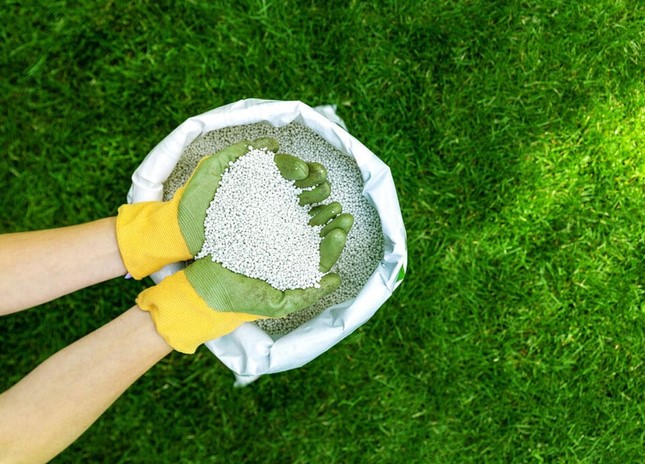
A few seasons ago, I stood on a client’s suburban lawn that looked like a brilliant green carpet from thirty feet away. But as soon as I stepped onto it, the soil felt as hard as poured concrete, and a quick shovel test revealed a complete absence of earthworms, beneficial fungi, or root depth below two inches. The homeowner had been pumping heavy synthetic NPK salts into the dirt every four weeks, trapping their turf on a chemical intravenous drip.
When the summer heatwave hit three weeks later, that synthetic lawn burned to a crisp, while the neighbor’s soil—nurtured naturally—remained resilient, deep-rooted, and thriving.
Over my ten-plus years working in turf management and residential landscaping, I have witnessed this exact cycle hundreds of times. Quick-fix chemical applications give you an instant flush of green, but they starve the living ecosystem beneath your feet. True, long-term turf health requires switching from fast-food synthetic salts to a rich organic lawn fertilizer system.
The Soil Food Web: How Organic Lawn Fertilizer Feeds the Dirt Engine
To understand why an organic lawn fertilizer produces superior long-term results, think of your soil like the human digestive system. Synthetic fertilizers act like pure refined sugar: they give the grass blades an immediate, chaotic surge of energy, but do nothing to nourish the gut microflora responsible for long-term health.
Organic inputs, on the other hand, act like whole foods packed with complex fiber and micro-nutrients. Instead of feeding the plant directly with synthetic water-soluble salts, natural fertilizers feed the soil food web—the billions of beneficial bacteria, mycorrhizal fungi, and earthworms living in the root zone.
-
Microbial Decomposition: Soil microbes slowly digest organic matter, breaking complex proteins down into plant-available ionic nutrients.
-
Humus Creation: As soil organisms process natural inputs, they create humic substances that bind loose soil particles together into loose, sponge-like aggregates.
-
Enhanced Cation Exchange Capacity (CEC): Organic matter increases your soil’s ability to hold onto key nutrients like potassium, calcium, and magnesium, preventing them from washing down into local waterways.
Synthetic vs. Organic Inputs: A Technical Comparison
Switching to a natural feeding regimen requires understanding how different nutrient sources behave in the soil profile over time.
| Performance Metric | Synthetic Chemical Fertilizer | High-Quality Organic Lawn Fertilizer |
| Nutrient Release Rate | Rapid (1 to 2 weeks) | Slow, sustained (6 to 12 weeks) |
| Salt Index (Burn Risk) | High (Prone to leaf scorch) | Low to Zero (Safe for child and pet paws) |
| Impact on Soil Biology | Degrades soil microflora; increases acidity | Feeds beneficial bacteria and mycorrhizae |
| Leaching & Environmental Runoff | High risk (Algae blooms in local ponds) | Minimal risk (Insoluble until biologically converted) |
| Soil Structure Impact | Compacts soil over time | Improves pore space, aeration, and water retention |
Key Ingredients: Decoding Natural Nutrient Sources
When shopping for an organic lawn fertilizer, reading the bag label can feel overwhelming. Here is a breakdown of the primary natural meal sources and what they deliver to your turf:
Nitrogen Drivers (Green Up & Top Growth)
-
Feather Meal: A slow-release byproduct that delivers a massive nitrogen punch (around 12-0-0) without burning turf tissue.
-
Blood Meal: Provides a quick-release natural nitrogen source ideal for waking up cool-season grasses in early spring.
-
Corn Gluten Meal: Acts as both a natural slow-release nitrogen source and a mild pre-emergent weed suppressor for crabgrass seeds.
Phosphorus and Potassium Sources (Root Strength & Stress Tolerance)
-
Bone Meal: Packed with bioavailable phosphorus and calcium to drive deep root extension and strong cellular walls.
-
Kelp Meal (Seaweed): Loaded with trace minerals, natural growth hormones (cytokinins and auxins), and potassium to help turf withstand extreme summer droughts.
Seasonal Application Strategy for Maximum Efficiency
Applying an organic lawn fertilizer requires working alongside nature’s biological clock rather than forcing rapid synthetic spikes.
Spring Activation (April – May)
Wait until soil temperatures consistently reach 55°F (13°C) before making your first application. Soil microbes remain dormant in cold dirt; applying organic inputs too early leaves the nutrients sitting idle until the soil warms up.
Late Summer Fortification (Late August – September)
This is the most critical feeding window of the entire year for cool-season grasses. Apply a high-potency organic lawn fertilizer enriched with bone meal and kelp. This builds deep root reserves during autumn, ensuring your lawn bounces back green and dense the following spring.
Expert Advice: Pro Tips and Hidden Warnings from a 10-Year Pro
A decade of soil testing and field restoration has taught me practical nuances that commercial bags rarely share:
Pro Tip: The Mulch Mowing Nitrogen BoostStop bagging your lawn clippings! Leaving fine grass clippings on your turf after mowing acts like a free, continuous application of high-nitrogen organic lawn fertilizer. Over a single growing season, grass recycling returns up to 2 pounds of nitrogen per 1,000 square feet directly back into your soil bank.
-
Hidden Warning #1: The Raw Manure Weed TrapAvoid using cheap, uncomposted livestock manure on residential turf. Raw manure often carries high concentrations of viable weed seeds and heavy weedkiller residues from pasture hay, alongside excess salts that can scorch delicate grass crowns.
-
Hidden Warning #2: Cold Soil ImmobilityBecause organic fertilizers rely on living microbes to break down protein chains, they will not show visible green-up results in freezing early-spring weather. If your turf looks pale in early March, resist the urge to re-apply product; simply wait for warm sunshine to activate the soil biology.
Step-by-Step Transition Plan for Your Lawn
If your yard has been hooked on synthetic chemicals for years, follow this step-by-step roadmap to switch to a sustainable biological program:
-
Conduct a Core Aeration: Rent a mechanical plug aerator in fall to punch holes through compacted soil, allowing oxygen, water, and organic matter to sink deep into the root zone.
-
Apply a Soil Amendment: Spread a 1/4-inch layer of high-grade compost or humic acid granules across the lawn to reintroduce beneficial microbes.
-
Spread Organic Inputs: Apply your chosen organic lawn fertilizer using a standard broadcast rotary spreader set to the bag’s recommended coverage rate.
-
Water in Gently: Irrigate with 1/2 inch of water to settle the organic granules down past the grass blades into direct contact with the soil surface.
Build a Legacy Living Soil
Transforming your yard into a lush, sustainable paradise isn’t about applying harsh chemicals every month—it is about stewarding the living ecosystem beneath your feet. By committing to an organic lawn fertilizer routine, you build a resilient root system, protect local waterways, and create a safe environment for your family and pets.
What does your current lawn care routine look like? Are you dealing with stubborn weed pressure, compacted soil, or summer burn spots? Leave a comment below or ask a question—I personally answer your queries to help you build a healthier, greener yard!
