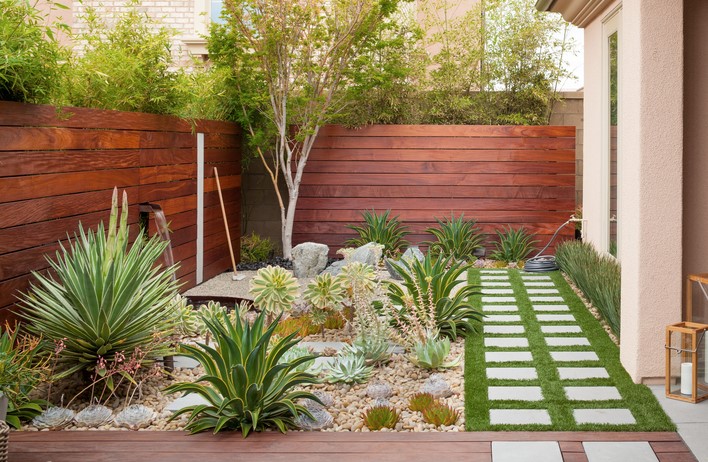
A garden path is more than just a functional element of your landscape. It serves as a guide, drawing visitors through your garden while creating a visual flow that enhances the overall design of your yard. Decorative garden pathways can transform even the simplest outdoor space into a tranquil and welcoming environment. Whether you’re seeking to create an inviting entryway, a serene retreat, or simply add a touch of elegance to your yard, choosing the right materials and design for your garden pathway is essential. In this article, we will explore how to design beautiful garden pathways that not only complement the natural beauty of your plants and flowers but also become the highlight of your outdoor living space.
The Importance of Decorative Garden Pathways
Decorative garden pathways do more than just help you navigate your yard. They can become a statement piece that brings your garden to life. When thoughtfully designed, they blend seamlessly into the landscape, enhancing the overall aesthetic of your space. A well-designed pathway can also create visual focal points, guide traffic flow, and provide functional access to different areas of your garden. More than that, garden pathways can help organize your space, create a sense of movement, and even direct the eyes to specific features, like a fountain, sculpture, or a seating area.
Purpose and Functionality
While decorative garden pathways certainly add visual interest to your outdoor area, they also serve a crucial purpose. They help protect your plants by keeping foot traffic off of fragile flower beds or grassy areas. Additionally, they provide clear and safe paths for walking, especially when the ground is muddy or slippery. The right materials will offer enough traction, ensuring you and your guests can enjoy your garden without worrying about slips or falls. A well-placed decorative garden pathway can also help you create a more organized outdoor space, making it easier to enjoy the beauty of your plants and landscaping.
Materials for Creating a Decorative Garden Pathway
When it comes to materials for garden pathways, the options are as varied as your imagination. Different materials can set different tones for your garden. Here are some popular choices to consider when designing your decorative garden pathways:
1. Natural Stone
Natural stone, such as flagstone or slate, is a timeless material that works well in almost any garden style, from modern to rustic. It offers a rugged, earthy look and blends seamlessly with natural surroundings. The irregular shapes of stone can create a casual, organic feel, or you can opt for uniform pieces for a more polished and structured look.
2. Brick or Pavers
For a more formal or classic style, brick or concrete pavers can be used to create sharp, neat lines in your garden. Pavers come in a variety of colors, shapes, and sizes, giving you the flexibility to design a pathway that suits the specific look of your yard. You can also incorporate creative patterns, like herringbone or basket weave, to add visual interest.
3. Gravel
Gravel is an affordable and easy-to-install material for garden pathways. It works well in informal, country-style gardens and provides excellent drainage. To prevent the gravel from scattering, you can use a solid border, such as bricks or low stone edging. The texture of gravel also adds a tactile quality to the path that invites exploration.
4. Wooden Elements
For a natural, rustic charm, wooden pathways can blend beautifully into a garden. Wooden planks or slices of logs can be used to create a walkway that mimics the appearance of a forest trail. However, it’s important to choose weather-resistant wood, such as cedar or redwood, to ensure the path stands the test of time.
5. Mulch and Wood Chips
If you prefer a softer, more informal look, mulch or wood chips are an excellent choice. These materials provide a comfortable, cushioning surface that is easy to walk on. Mulch also adds nutrients to the soil, which can be beneficial for surrounding plants. However, it may require periodic replenishing as it decomposes over time.
Tips for Designing the Perfect Decorative Garden Pathway
Once you’ve selected the material for your decorative garden pathway, it’s time to consider the design and layout. The way you design your path can significantly impact the overall look and feel of your yard. Here are some tips to guide you:
Plan the Layout
The layout of your garden pathway should reflect the flow of your garden and the areas you want to highlight. Consider creating a meandering path for a more relaxed and natural feel, or go for straight lines if you prefer a more formal or structured look. When designing the path, think about the traffic flow and where you want visitors to focus their attention. If you have a beautiful focal point, such as a statue or flower garden, position your pathway to lead the eye toward it.
Use Curves to Add Movement
Curves and gentle bends in your pathway can create a sense of movement and encourage exploration. A curved pathway leads visitors through different areas of your garden, unveiling new views and adding an element of surprise. The gentle curves also soften the overall look of the garden, making it feel more inviting and serene.
Incorporate Plantings Along the Path
To further enhance the beauty of your decorative garden pathway, consider adding plants along the edges. Low-growing groundcovers like creeping thyme or moss can spill over the sides of the path, creating a soft, lush border. Alternatively, taller plants like lavender or ornamental grasses can be planted at intervals to create vertical interest. The natural beauty of the plants will not only enhance the pathway’s appearance but also contribute to the overall atmosphere of your garden.
Lighting for Ambiance
Garden path lighting can elevate the look of your pathway, especially during the evening. Low-voltage LED lights can be placed along the edges of the path to gently illuminate the way and create a warm, inviting ambiance. Solar-powered lights are an eco-friendly option that requires no wiring and are easy to install. You can also incorporate lanterns or string lights for a whimsical touch.
A well-designed decorative garden pathway is more than just a means of getting from point A to point B; it’s a design feature that can bring beauty, order, and charm to your yard. Whether you choose natural stone, gravel, or even wood, the right pathway can elevate your garden to new heights. By carefully considering the materials, layout, and surrounding plantings, you can create a stunning and functional pathway that enhances your garden’s beauty. Decorative garden pathways are the perfect way to add style and sophistication to your outdoor space while guiding visitors through your serene landscape.


