Picture this: The sun is just starting to peek over the horizon, the lake is like glass, and you’re ready to land the catch of the season. You head into the garage, caffeine in hand, only to find your expensive carbon-fiber rods leaned haphazardly against a stack of cardboard boxes. As you reach for one, the “domino effect” begins. One rod slips, tangles its line with three others, and—the sound every angler dreads—the tip of your favorite spinning rod snaps against the concrete floor.
I’ve spent over a decade helping homeowners reclaim their garages from chaos, and I can tell you that recreational gear is the #1 culprit for “storage stress.” Fishing rods are particularly tricky; they are long, fragile, and oddly shaped.
Investing in a dedicated Garage Fishing Holder isn’t just about being “neat.” It’s about asset protection. If you’ve spent hundreds or thousands of dollars on high-quality tackle, why treat it like a pile of scrap lumber?
Why Horizontal Lean is Your Rod’s Worst Enemy
In my years of practical experience, the most common mistake I see is “The Lean.” People think that leaning a rod against a corner is fine. It isn’t. Over time, gravity exerts a constant, uneven pressure on the blank (the main shaft of the rod).
Think of a fishing rod like a high-performance athlete’s spine. It’s designed to be flexible under load, but it needs proper posture when at rest. Continuous leaning causes “rod set”—a permanent curve in the blank that ruins its sensitivity and casting accuracy.
A proper Garage Fishing Holder acts like a specialized locker for an athlete. It keeps the rod perfectly vertical or horizontal, ensuring the internal fibers remain straight and tension-free.
Choosing the Right Garage Fishing Holder for Your Layout
Not all garages are created equal. Depending on your ceiling height and wall space, you’ll need to choose a specific configuration.
1. Vertical Wall-Mounted Racks
This is the most popular choice for standard garages. These racks hold the rods upright against the wall.
-
Best for: Easy access and displaying your gear.
-
Pro Insight: I always recommend mounting these at least 12 inches off the floor. This prevents the rod butts from sitting in dampness if you ever have a minor garage leak or need to hose down the floor.
2. Ceiling-Mounted Systems
If your wall space is taken up by tool benches and cabinets, look up. The ceiling is the most underutilized “real estate” in any home improvement project.
-
Best for: Long-term storage and keeping gear away from kids or pets.
-
Technical Tip: Ensure the Garage Fishing Holder is mounted perpendicular to your ceiling joists. This provides maximum weight distribution and prevents the rack from sagging over time.
3. Freestanding Floor Racks
These are “plug-and-play” solutions that don’t require drilling into your drywall.
-
Best for: Renters or those with massive collections (circular racks can hold 20+ rods in a small footprint).
The Anatomy of a High-Quality Rack
When you’re shopping for a Garage Fishing Holder, don’t just go for the cheapest plastic model. Look for these specific technical features:
-
UV-Resistant Materials: Many garages get hot and receive direct sunlight. Cheap plastic will become brittle and snap within two seasons. Look for treated polymers or powder-coated aluminum.
-
Cushioned Grips: The part of the holder that touches your rod should be lined with EVA foam or soft rubber. Hard plastic grips can scratch the protective “clear coat” on your rods, leading to corrosion from saltwater or humidity.
-
Spacing Intervals: A common flaw in entry-level racks is that the slots are too close together. If you have large 4000-series saltwater reels, they will bump into each other. Look for a rack with at least 4 inches of center-to-center spacing.
Installation 101: Doing it Like a Pro
Installing a Garage Fishing Holder is a fantastic beginner-to-intermediate DIY project. However, doing it wrong can result in your expensive gear falling onto your car.
Tools You’ll Need:
-
Electronic Stud Finder
-
Spirit Level (Crucial for aesthetics and balance)
-
Power Drill with 1/8″ pilot bit
-
Stainless steel screws (to prevent rust in humid garages)
The “Expert” Installation Step:
Most racks come with cheap plastic drywall anchors. Throw them away. I never trust a plastic anchor to hold a $500 rod-and-reel combo. Always find the wooden studs behind your drywall. If the rack’s pre-drilled holes don’t line up with your studs, mount a piece of 1×4 pine “ledger board” to the studs first, then mount the rack to the board.
Managing the “Micro-Climate” of Your Garage
As a home improvement expert, I have to warn you: organization is only half the battle. The garage environment is harsh.
The Humidity Factor: Garages are often uninsulated. High humidity can cause fungal growth on cork handles and corrosion on reel bearings.
-
Expert Advice: If you store your rods in a Garage Fishing Holder, make sure there is airflow. Don’t tuck the rack into a dead corner behind a refrigerator where heat and moisture get trapped.
-
The “Saltwater Rule”: Never put a rod back in the holder until it has been rinsed with fresh water and dried completely. A rack won’t protect a rod from “crevice corrosion” if you store it wet.
Beyond the Rod: Systematic Tackle Integration
A truly organized garage treats the Garage Fishing Holder as the centerpiece of a larger “Angler’s Station.”
-
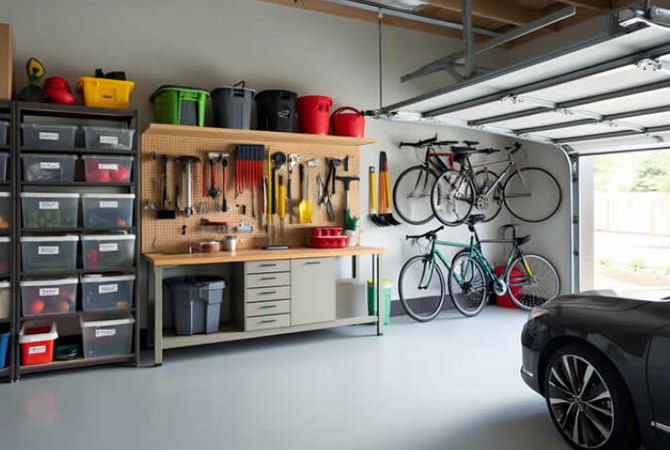
Add Pegboards: Surround your rod rack with pegboards to hang your pliers, scales, and landing nets.
-
Label Everything: Use a label maker for your rod slots based on the line weight (e.g., “10lb Fluorocarbon – Bass”). This makes grabbing the right gear for a 5 AM trip effortless.
-
Lighting: Install a simple motion-activated LED strip above the rack. It looks professional and prevents you from poking a rod tip into the ceiling because you couldn’t see in the dark.
Conclusion: Cast Aside the Chaos
Systematic organization is about more than just a clean garage—it’s about respecting the hobbies that bring us joy. By installing a high-quality Garage Fishing Holder, you are extending the life of your gear, saving time during your morning departures, and transforming a cluttered corner into a professional-grade gear room.
Stop leaning your rods in the corner and hoping for the best. Take an hour this weekend to get them off the floor and into a secure system. Your future self (and your favorite rod) will thank you.
Do you prefer storing your gear vertically for the look, or horizontally on the ceiling to save space? Let me know your garage layout challenges in the comments, and let’s figure out the best setup for your home!
