You’re running fifteen minutes late for a black-tie gala. You reach for that heirloom diamond necklace, only to find it hopelessly entwined with three cheap costume chains and a pair of jagged hoop earrings. As you pull, you hear a sickening snap. In an instant, a piece of history is reduced to a repair bill. Most people don’t realize that more jewelry is destroyed by “drawer friction” and improper storage than by actual theft or wear.
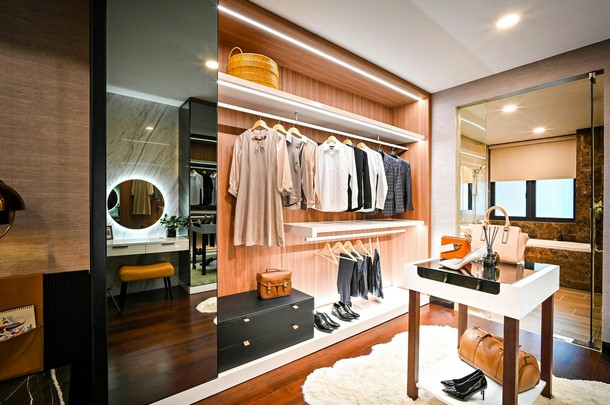
In my ten years of designing high-end walk-in closets and secure home storage systems, I’ve seen million-dollar collections treated like loose change in a ceramic bowl. I remember a client who lost a $15,000 sapphire simply because it fell behind a dresser while she was digging through a cluttered tray. That was the day I realized that a professional-grade Jewelry Box isn’t a vanity accessory—it’s a critical piece of facility infrastructure designed for asset preservation.
The Physics of Preservation: Why Your Storage Matters
To the untrained eye, jewelry looks indestructible. In reality, it is a collection of delicate minerals and soft metals that react to their environment. Think of your Jewelry Box like a climate-controlled hangar for aircraft. You wouldn’t park a private jet in an open field; similarly, you shouldn’t leave gold and gemstones exposed to the open air.
The primary enemies of your assets are tarnish (oxidation), abrasion, and light exposure. Most gold and silver jewelry is an alloy, meaning it’s mixed with copper or other metals that react with sulfur and moisture in the air. A high-quality box provides a seal that slows this chemical reaction. Furthermore, diamonds, while the hardest natural substance, can easily scratch softer gems like opals or pearls if they are allowed to touch.
Technical Specifications: Anatomy of a High-End Jewelry Box
When I’m auditing a storage setup, I look for specific technical features that separate a “decorative box” from a functional Jewelry Box.
1. Interior Lining (The Non-Abrasive Barrier)
The lining is the most important data point. I always look for anti-tarnish treated velvet or suede-cloth. These fabrics are infused with microscopic metallic particles that “trap” gases like sulfur before they can reach your jewelry.
-
Expert Insight: If your lining feels “scratchy” or synthetic, it can actually cause micro-abrasions on soft 24k gold.
2. Zonal Organization
A systematic box must have dedicated zones:
-
Ring Rolls: Firm foam cylinders that hold rings upright, preventing the shanks from rubbing together.
-
Earring Slats: Perforated boards to keep pairs together and prevents posts from bending.
-
Necklace Hooks with Pouches: A hook alone isn’t enough; you need a “catch-all” pouch at the bottom to prevent the chain from swinging and tangling.
3. Modular Compartments
For intermediate collectors, I recommend boxes with removable trays. This allows for “operational scaling”—as your collection grows, you can reconfigure the interior layout to accommodate larger watches or bulky bangles.
Strategic Placement: Security and Environmental Control
In the home improvement world, “where” is just as important as “what.” I’ve seen beautiful wood boxes placed directly on a sun-drenched vanity. This is a mistake. * The Ultraviolet Threat: Constant sunlight can “bleach” certain gemstones like Amethyst or Rose Quartz.
-
Humidity Control: Never store your Jewelry Box in a bathroom. The constant cycle of steam and cooling creates a “greenhouse effect” inside the box, accelerating tarnish and potentially loosening the glues used in costume jewelry.
Safety Protocols: Integrating Security
For the beginner, a box with a simple lock is a deterrent against curious guests or children. For the intermediate asset manager, we look at discreet integration.
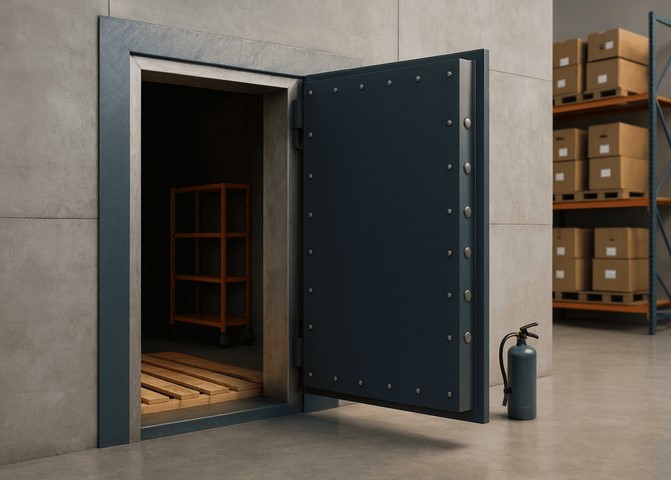
I often design “hidden-in-plain-sight” storage. This might mean placing your Jewelry Box inside a larger, bolted-down safe or integrating it into a “false-bottom” drawer in a custom closet island. If your collection has significant financial value, the box should be heavy enough that it cannot be easily snatched in a “smash-and-grab” scenario.
Expert Advice: The “Pearl” Warning
Tips Pro: The Hidden Warning
Most people assume that every piece of jewelry belongs in the same box. This is false. Organic gems like Pearls and Opals “breathe.” They contain a small amount of water. If you store them in a completely airtight or bone-dry environment for years, they can dehydrate and “craze” (develop tiny surface cracks). If you have high-value pearls, ensure your Jewelry Box is made of breathable wood like Cedar or Oak, rather than synthetic plastics.
Maintenance Logistics: Caring for Your Storage Asset
A Jewelry Box is a facility that requires its own maintenance. Over ten years, I’ve developed a “Semi-Annual Audit” protocol for my clients:
-
Vacuum the Lining: Use a small, low-suction attachment to remove skin cells and dust that settle in the velvet. Dust is abrasive!
-
Check the Hinges: Apply a tiny drop of dry-graphite lubricant to the hinges. Avoid oil, as it can migrate and stain your fabric or jewelry.
-
Tarnish Strip Replacement: If your box uses replaceable anti-tarnish strips, swap them out every 6 to 12 months to maintain the chemical barrier.
Analogies for the Layperson: The Parking Garage
Think of your jewelry collection as a fleet of luxury cars.
-
Loose in a drawer: Leaving your Ferraris in a chaotic, muddy field where they bump into each other.
-
Standard tray: A public parking lot with no dividers—door dings are inevitable.
-
Professional Jewelry Box: A private, climate-controlled garage with individual bays and soft-wall padding.
Which one would you trust with your grandfather’s gold watch?
Secure organization isn’t just about “tidiness”; it’s about the long-term stewardship of your high-value assets. By investing in a technically sound Jewelry Box, you are ensuring that your heirlooms remain in pristine condition for the next generation. You are moving from a reactive state (fixing broken chains) to a proactive state (preventing damage).
Your jewelry tells the story of your life—milestones, anniversaries, and inheritances. Make sure the “container” for that story is as resilient and well-engineered as the pieces inside.
What is the “crown jewel” of your collection currently sitting in? Are you still using a ceramic dish on the nightstand, or have you upgraded to a zonal system? Drop a comment below or ask a question about specific lining materials—I’d love to help you build a better storage protocol for your valuables!
Would you like me to walk you through how to build a custom-fit jewelry drawer for your existing dresser, or perhaps discuss the best portable boxes for secure travel?