You’ve just finished a massive Saturday DIY project—perhaps refinishing an old oak table or cleaning out the grease traps in your garage. You stand there, hands covered in a cocktail of oil, sawdust, and solvent, looking at your sleek, designer kitchen faucet. You know that if you wash those hands there, you’ll not only ruin the finish but likely clog the P-trap with debris that was never meant for residential pipes. This is the moment you realize that your home is missing its most hardworking “blue-collar” asset: a dedicated industrial-grade station.
In my ten years of managing facility maintenance and executing high-end residential remodels, I’ve seen homeowners spend thousands on marble countertops while completely ignoring the mudroom or garage. I’ve personally crawled under enough sinks to tell you that the kitchen sink is for dishes, but the Utility Sink Basin is for everything that keeps a house running. To me, a laundry room without a high-capacity basin isn’t a utility space; it’s just a closet with a washing machine.
The Industrial Lung: Why Your Home Needs a Utility Basin
Think of a Utility Sink Basin as the industrial lung of your home. In a standard sink, the pipes are narrow and the basin is shallow, designed for “light-duty” liquids. A utility basin, however, is built for volume and grit. It handles the “dirty work” so your primary plumbing doesn’t have to.
When you install a deep-capacity basin, you are essentially “scaling your infrastructure.” You gain the ability to soak large textiles, wash muddy boots, or even bathe a medium-sized dog without turning your master bathroom into a swamp. In professional facility management, we call this operational isolation—keeping the “industrial” messes away from the “living” areas.
Material Science: Choosing the Right Basin for Your Niche
For the beginner and intermediate homeowner, the variety of materials can be overwhelming. Each material has a specific “chemical resistance” and “impact rating” that dictates its lifespan.
-
Thermoplastic and Polypropylene: These are the most common “laundry tubs” you’ll find. They are incredibly cost-effective and practically immune to rust.
-
The Insight: These are perfect for basic laundry tasks. However, be careful with high-heat liquids; pouring boiling water into a cheap plastic basin can cause the bottom to “oil-can” or warp over time.
-
-
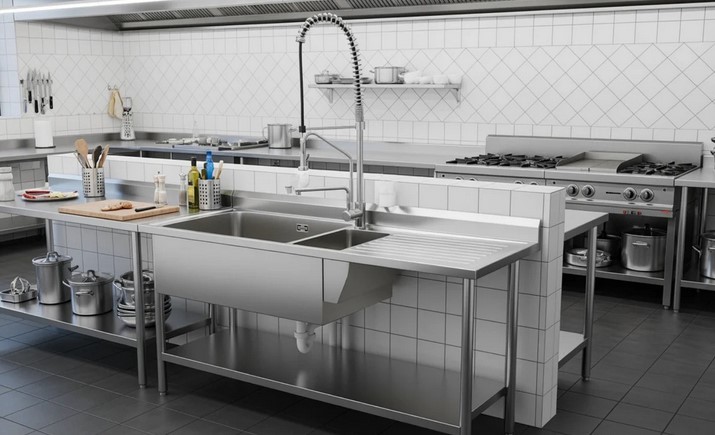
Stainless Steel (Industrial Grade): If you are setting up a workshop or a high-end mudroom, stainless steel is the gold standard. Look for 16-gauge or 18-gauge steel.
-
Technical Data: The lower the gauge number, the thicker the steel. A 16-gauge Utility Sink Basin is significantly more durable and quieter than a flimsy 22-gauge model.
-
-
Cast Iron and Enameled Steel: These are the “heavyweights.” They offer an incredible aesthetic appeal for farmhouse-style utility rooms.
-
The Warning: They are extremely heavy. If you choose cast iron, your floor joists and cabinetry must be reinforced to handle the 100+ lb static load before you even add water.
-
Technical Specifications: Drainage and Flow Rates
When I’m auditing a facility’s utility zone, I don’t just look at the basin; I look at the drainage diameter. A standard kitchen sink uses a 1.5-inch drain. For a true Utility Sink Basin, I recommend a 2-inch drain line.
-
Why it matters: A larger drain reduces the risk of clogs from hair, lint, and sediment.
-
Flow Rate: Pair your basin with a high-arc faucet that has a flow rate of at least 2.0 GPM (Gallons Per Minute). You want to be able to fill a 5-gallon bucket in under three minutes; otherwise, you’re just wasting time standing around.
The Strategic Install: Location and Ergonomics
In my decade of experience, I’ve seen basins installed in corners where you can’t even fit a bucket. Strategic placement is about zonal optimization.
-
The Mudroom Transition: Placing the basin right inside the entry point from the garage or backyard prevents “dirt migration.”
-
Height Calibration: Standard counter height is 36 inches, but for a deep Utility Sink Basin, you might want to drop the rim height to 34 inches. This makes it easier to lift heavy, water-filled buckets out of the basin without straining your lower back.
Tips Pro: The Sediment Trap Secret
If you are using your basin for gardening or heavy shop work, do not rely on a standard strainer. Install a sediment trap or an “interceptor” in the plumbing line below the sink. This acts like a “pre-filter” that catches sand, plaster, or heavy dirt before it reaches your main sewer line. It’s a $50 part that can save you a $1,000 plumbing bill.
Enhancing Utility with Smart Hardware
A basin is just a box until you add the right “utility scaling” tools. For an intermediate user, these upgrades make the space truly “industrial”:
-
Pull-Out Sprayers: A faucet with a 20-inch braided hose is a non-negotiable. It allows you to rinse the corners of the basin and reach items sitting on the counter next to the sink.
-
Integrated Washboards: Some modern polypropylene basins have a molded-in washboard on the front interior. This is a game-changer for treating stubborn stains on work clothes.
-
Side Shelving: In a facility setting, we always install “landing zones” on either side of the Utility Sink Basin. This provides a place for wet items to drip-dry without cluttering the floor.
Maintenance and Facility Longevity
Even a rugged utility basin needs a “maintenance protocol.” Because these sinks handle harsh chemicals, the finish can eventually “etch” or dull.
-
Chemical Flushing: After using harsh cleaners or solvents, always flush the basin with clear water for at least 60 seconds. Residual chemicals can eat through the seals in your drain assembly.
-
Scrubbing the “Scum Line”: Use a non-abrasive cleaner once a week. In plastic basins, fine scratches from abrasive pads can trap bacteria and odors.
-
Check the P-Trap: Because utility sinks catch “heavy” debris, the P-trap (the U-shaped pipe underneath) will fill with sediment faster than any other sink in the house. Clear it out every six months as a preventative measure.
Optimizing your home’s utility infrastructure isn’t just about adding a sink; it’s about adding capacity. When you have a dedicated Utility Sink Basin, you stop worrying about the mess. You become more productive because you have a facility that can keep up with your heaviest projects.
Stop ruining your bathroom tile and kitchen counters. Give your home the industrial edge it deserves.
What’s the “dirtiest” job you currently do in your kitchen sink? Are you ready to move the mess to the garage or the laundry room? Drop a comment below—I’d love to help you figure out the best plumbing layout for your new utility station!
Would you like me to walk you through a DIY installation guide for a freestanding basin, or perhaps discuss the best heavy-duty faucets for high-pressure cleaning?
