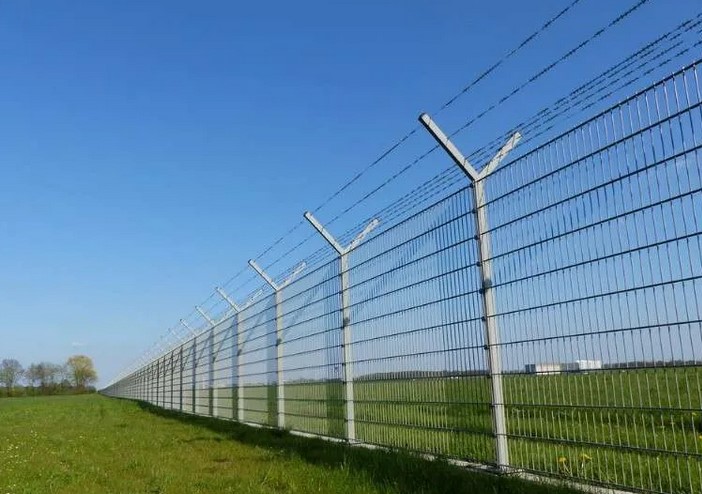
Picture this: It’s 2:00 AM, and your neighborhood is draped in a thick, silent darkness. A figure pauses at the edge of your property, eyes scanning the perimeter. They see your high-end cameras and your “Beware of Dog” sign, but they also see a flat, easy-to-grip fence top. In less than four seconds, an intruder can use your own fence as a ladder to bypass your expensive electronic security. Most people don’t realize that a fence without a “deterrent cap” is essentially just a convenient step-stool for a motivated trespasser.
In my ten years of hardening perimeters and consulting on residential facility security, I’ve learned that the most effective defense is the one that prevents the breach before it even starts. I’ve seen $10,000 smart-home systems fail because the physical barrier was “soft.” The moment I started recommending Fence Security Spikes to my clients, the conversation shifted from “What happened on the footage?” to “They didn’t even try to get in.”
The Psychology of the Perimeter: Why “Hard” Barriers Win
To understand the value of Fence Security Spikes, we have to look at the “Risk-to-Reward” ratio from an intruder’s perspective. Most opportunistic criminals are looking for a path of least resistance.
Think of your fence like a smooth handle on a door. If that handle is easy to grab, anyone can turn it. Now, imagine that same handle is covered in sharp, uncomfortable ridges. You’d think twice before touching it, right? That is the essence of physical hardening. By installing security spikes, you are removing the “grip points” required to scale a vertical surface. You aren’t just making it harder to climb; you are making it psychologically unappealing to even attempt.
Technical Specifications: Choosing Your Defensive Hardware
When I walk a property, I don’t just look for “points of entry”; I look at the material and the “climb-ability” of the existing structure. Choosing the right Fence Security Spikes requires a balance of aesthetics, legality, and technical effectiveness.
1. Rotating Spikes (Anti-Climb Rollers)
These consist of individual plastic or metal spiked wheels that spin on a central axle.
-
The Insight: These are “active” deterrents. Because they spin, an intruder cannot get a stable grip. It’s like trying to climb a ladder made of rolling pins.
-
Best For: High-security residential areas where you want a non-lethal but highly effective barrier.
2. Static Polypropylene Spikes
These are often called “Prikka Strips” or bird spikes. They are made from weather-resistant plastic and feature multi-directional points.
-
The Insight: These are the most discreet option. They are sharp enough to cause significant discomfort but are generally considered more “neighborhood friendly” in terms of appearance.
-
Best For: Suburban wooden fences or brick walls.
3. Steel and Galvanized Spikes
These are the “heavy hitters” of physical security. Usually made from pressed steel, they feature aggressive, sharp points.
-
The Insight: These provide the highest level of physical resistance. They are often used on metal palisade fences or commercial gates.
Installation Protocols: Ensuring Structural Integrity
A security device is only as strong as its attachment to the facility. In my decade of practice, I’ve seen DIYers glue plastic spikes to a wooden fence using cheap construction adhesive, only for the spikes to fall off after one heavy rainstorm.
-
Mechanical Fastening: I always recommend using security screws or one-way bolts. If an intruder can simply unscrew your spikes with a standard screwdriver, your security is an illusion.
-
Substrate Preparation: Before installing Fence Security Spikes, ensure the top of the fence is clean and structurally sound. If the wood is rotting or the metal is rusting, the spikes won’t have a solid “anchor” to resist the weight of a person trying to pull themselves up.
-
Height Considerations: For maximum effectiveness, spikes should be installed on fences that are at least 6 feet high. This ensures that a casual passerby won’t accidentally brush against them, while still placing the deterrent at the “peak” of the climb.
Legal and Safety Compliance: The Expert’s Warning
This is where many beginners get into trouble. You cannot simply turn your home into a medieval fortress without considering the local “Duty of Care” laws.
Tips Pro: The Hidden Warning
In many jurisdictions, you are legally required to display Warning Signs if you install aggressive security spikes. If a utility worker, emergency responder, or even a trespasser is injured by your “hidden” defense, you could be held liable. Always check your local HOA and city ordinances. I recommend placing a clear, weather-resistant sign every 10–15 feet stating “Caution: Anti-Climb Spikes Installed.”
Synergizing Physical and Electronic Security
For the intermediate security enthusiast, Fence Security Spikes should be the “trigger” for your broader system. In high-end installs, I like to pair physical spikes with vibration sensors.
If someone touches the spiked area, the vibration triggers a silent alarm or turns on high-intensity floodlights. This creates a multi-layered response:
-
Physical: The spikes make the climb painful/difficult.
-
Psychological: The lights tell the intruder they have been spotted.
-
Electronic: The camera captures the intruder in a moment of hesitation.
Maintenance and Facility Longevity
Your perimeter is exposed to the elements 24/7. To ensure your Fence Security Spikes don’t become a liability, follow these maintenance data points:
-
UV Degradation: If you choose plastic spikes, ensure they are UV-Stabilized. Cheap plastic will become brittle and snap off after one summer of intense sun.
-
Corrosion Control: For metal spikes, look for galvanized or powder-coated finishes. Rust not only looks bad (curb appeal matters!) but it also weakens the structural points.
-
Vegetation Clearance: Don’t let vines or tree branches grow over your spikes. Not only does this provide a “bridge” for intruders, but the moisture from the leaves can accelerate the decay of your fence and the spikes themselves.
Analogy: The “Rose Bush” Philosophy
Think of your fence like a manicured garden. A smooth wooden fence is like a grassy lawn—anyone can walk across it. Adding Fence Security Spikes is like planting a dense, thorny rose bush at the edge of that lawn. People can still see the beauty of the garden, but they know exactly where the boundary is, and they know that crossing it will be a painful mistake.
Scannable Checklist for Hardening Your Fence:
-
Check Local Laws: Are spikes legal in your zip code?
-
Select Material: Plastic for discretion, metal for maximum deterrence.
-
Identify Grip Points: Don’t forget the gate! Gates are often the weakest link in the chain.
-
Order Warning Signs: Ensure they are visible from the street.
-
Use Permanent Fasteners: Avoid adhesives; go for screws or bolts.
Conclusion: Regaining the High Ground
Securing your home is about more than just apps and sirens; it’s about establishing a dominant physical presence. By integrating Fence Security Spikes into your property’s infrastructure, you are sending a clear, silent message to anyone watching: This facility is protected, and a breach is not worth the effort.
Don’t wait for a “close call” to realize your fence is just a ladder. Take a walk around your perimeter today and look at your fence from an outsider’s perspective. Can you get a grip? If the answer is yes, it’s time to harden your defenses.
What kind of fence are you currently working with? Is it a classic wooden privacy fence or a modern metal palisade? Drop a comment below—I’d love to help you figure out the best spike configuration for your specific layout!
Would you like me to dive deeper into the legal requirements for different regions, or perhaps discuss how to install “discreet” spikes that don’t ruin your curb appeal?

