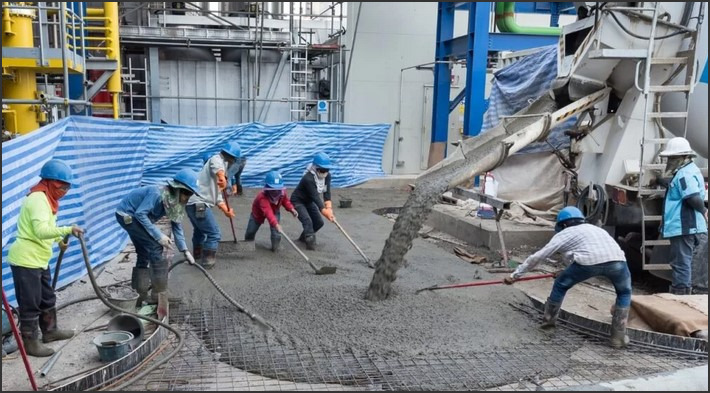
Concrete costs refer to the expenses associated with the use of concrete in construction projects. These costs can vary widely depending on factors such as the type of concrete used, the quantity required, the complexity of the project, and the location. Understanding the cost of concrete involves considering the price of raw materials, labor, equipment, and other related expenses. It’s crucial for project budgeting and planning, helping contractors and homeowners make informed decisions about their construction projects.
Decoding the Cost of Concrete: A Comprehensive Guide
Concrete is a fundamental building material used in a wide range of construction projects, from residential homes to commercial buildings and infrastructure. Understanding the cost of concrete is crucial for project planning and budgeting. However, the cost of concrete is not as straightforward as it may seem. It is influenced by a variety of factors, including the type of concrete, the quantity required, the location of the project, and the current market conditions.
The type of concrete used significantly impacts the overall cost. There are various types of concrete available, each with different properties and prices. For instance, standard ready-mix concrete is typically less expensive than high-strength or decorative concrete. The choice of concrete type depends on the specific requirements of the project. High-strength concrete, for instance, is used in structures that need to withstand heavy loads, while decorative concrete is used in projects where aesthetics are a priority.
The quantity of concrete required also plays a significant role in determining the cost. Concrete is usually priced per cubic yard or per cubic meter. Therefore, the larger the project, the more concrete will be needed, and the higher the overall cost will be. However, it’s worth noting that suppliers often provide discounts for large orders, so the cost per unit may decrease as the quantity increases.
The location of the project is another factor that affects the cost of concrete. The price can vary significantly from one region to another due to differences in transportation costs, local taxes, and the availability of raw materials. For example, if a project is located far from a concrete plant, the transportation costs can add up, increasing the overall cost. Similarly, in areas where raw materials are scarce or expensive, the cost of concrete can be higher.
Current market conditions also influence the cost of concrete. The prices of raw materials such as cement, aggregate, and sand fluctuate based on supply and demand dynamics in the global market. For instance, if there’s a surge in construction activity, the demand for these materials increases, pushing up their prices and, consequently, the cost of concrete. Additionally, changes in fuel prices can affect the cost of transportation, further impacting the price of concrete.
Lastly, it’s important to consider the indirect costs associated with using concrete. These include the cost of formwork, reinforcement, finishing, and curing. While these costs are not part of the concrete itself, they are necessary for its use in construction and can significantly add to the overall project cost.
In conclusion, the cost of concrete is determined by a complex interplay of factors, including the type of concrete, the quantity required, the location of the project, and the current market conditions. By understanding these factors, construction professionals can make informed decisions about the use of concrete in their projects, helping them to plan and budget more effectively. Despite its cost, concrete remains a versatile and durable building material that is integral to the construction industry.


